The weather will be warming up rapidly soon, making now the perfect time to get out and do the work necessary to reduce the risk of being impacted by a brush fire.
Fountain Hills Rural/Metro Fire Department is asking residents to follow some simple tips to help safeguard their property. By following the tips provided, people can help keep their family and home safe. This information is provided by the National Fire Protection Association (NFPA).
The area up to five feet from a structure should be a non-combustible area. Science shows this is the most important zone to take immediate action, as it is the most vulnerable to embers. Start with the house itself, then move into the landscaped areas around the home.
You must be a member to read this story.
Join our family of readers starting at $5 for your first month and support local, unbiased journalism.
Click here to see your options for becoming a subscriber.
Register to comment
Click here create a free account for posting comments.
Note that free accounts do not include access to premium content on this site.
I am anchor
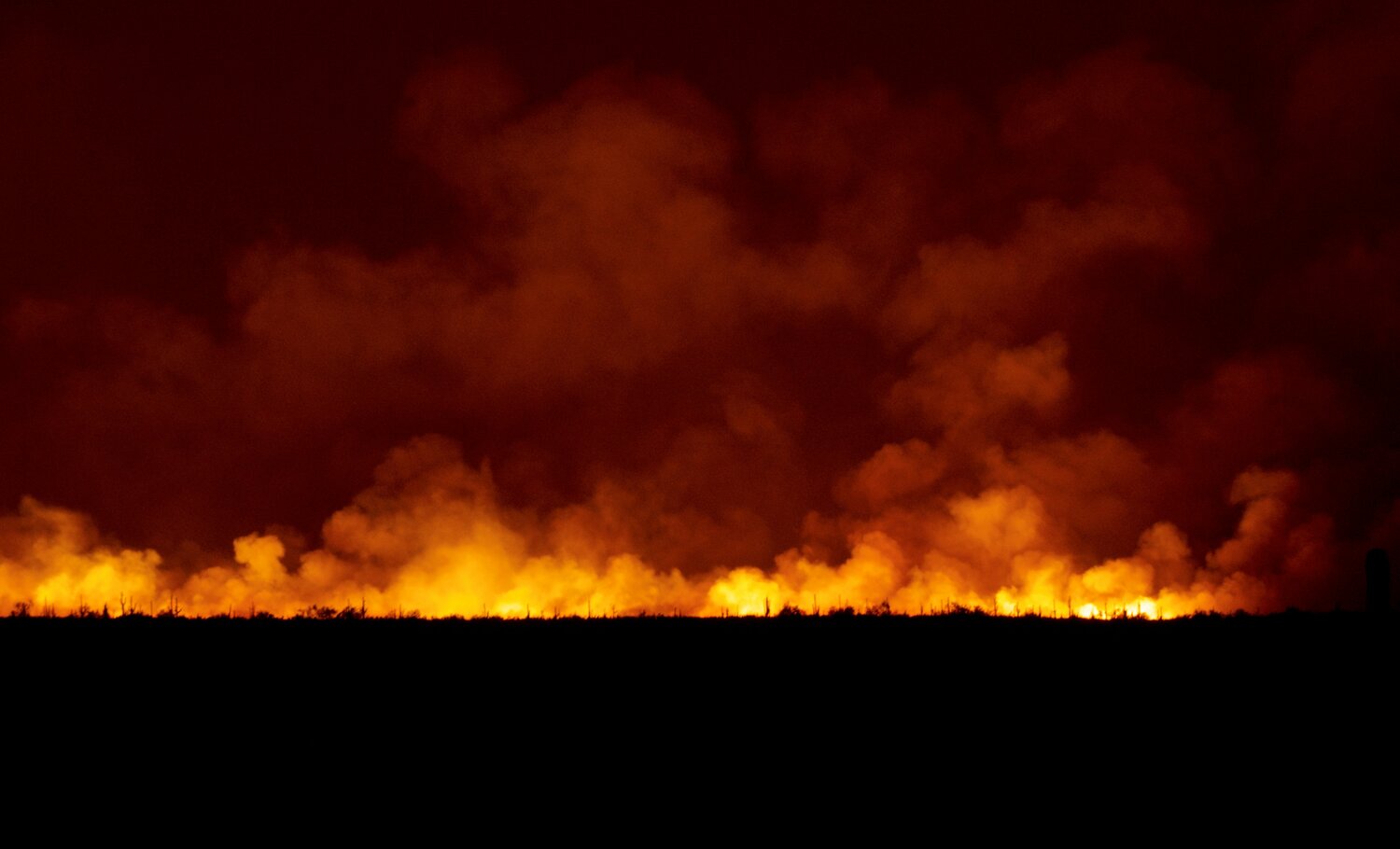
Prepare for fire season
Fire.jpeg
Posted
The weather will be warming up rapidly soon, making now the perfect time to get out and do the work necessary to reduce the risk of being impacted by a brush fire.
Fountain Hills Rural/Metro Fire Department is asking residents to follow some simple tips to help safeguard their property. By following the tips provided, people can help keep their family and home safe. This information is provided by the National Fire Protection Association (NFPA).
The area up to five feet from a structure should be a non-combustible area. Science shows this is the most important zone to take immediate action, as it is the most vulnerable to embers. Start with the house itself, then move into the landscaped areas around the home.
*Clean roofs and gutters of dead leaves and debris that could be ignited by embers.
*Replace or repair any loose or missing shingles or roof tiles to prevent hot embers from penetrating.
*Move any flammable material away from wall exteriors – mulch, flammable plants, leaves and needles, firewood piles – anything that will burn. Remove anything stored underneath decks or porches.
*Keep bushes and trees trimmed up away from the house.
The next area to address is the space five to 30 feet from the home. Use of hardscape and employing careful landscaping or creating breaks can help influence and decrease fire behavior within this space.
*Clear vegetation from under large stationary propane tanks.
*Create fuel breaks with driveways, walkways/paths, patios, and decks.
*Keep lawns and native grasses mowed to a height of four inches.
*Remove ladder fuels (vegetation under trees) so a ground-level fire cannot climb up into the trees. Prune trees up to six feet from the ground; for shorter trees, do not exceed a third of the overall tree height.
*When planting trees, make sure that, when mature, the tree canopy is no closer than ten feet to the edge of the structure.
*Trees and shrubs in this zone should be limited to small clusters of a few each to break up the continuity of the vegetation across the landscape.
*Remove all dead brush from the property and dispose of it properly. Do not discard trimmings over the fence into the wash behind the residence.
*Work with neighbors to share the cost of a landscaping service or a woodchipper to dispose of tree branches and brush.
A little bit of work and preparation now will help keep the neighborhood safe during the upcoming summer fire season.



Comments
No comments on this item Please log in to comment by clicking here